» The Charleston Jazz Initiative Records
This post is written by Veer Mehta, Avery’s Mellon Project Archivist.
Surveying and processing an archival collection is truly a practice of discovery and assessment. As I have worked with the Charleston Jazz Initiative (CJI) resource at the Avery Research Center for African American History and Culture, I have found myself sifting through materials that document not only the history of jazz in Charleston, but also the people, performances, research, and communities that helped shape that history.
The Charleston Jazz Initiative records are particularly complex because they aren’t made up of just one collection. It is a large umbrella resource that brings together numerous smaller collections and groups of materials from musicians, researchers, families, and others affiliated with Charleston’s jazz community. Dr. Karen Chandler, a former executive director of the Avery Research Center, led the project. Though she currently resides in Nashville, TN, she has made numerous trips over the years, during which she collects and transfers materials back to Charleston. Other names represented in the collections include the Jenkins Orphanage, H.L. Grant, James Jamerson, Jeffery Green, John J. “Bubber” Snow, Quentin Baxter, Joey Morant, Charlton Singleton, Jack A. McCray, Anthony McKnight, Robert Spann Cathcart Jr., Bertha “Chippie” Hill, and others.
This variety is what makes processing the resource both challenging and exciting. Items that would appear to belong together can sometimes have very different origins and contexts. Therefore, part of my work has been determining provenance, identifying smaller collections within the larger CJI resource, and categorically arranging materials in ways that will make sense to researchers in the future.
The material sources themselves are equally varied. The CJI records contain oral history recordings, photographs, correspondence, newspaper and magazine articles, programs, sheet music, manuscripts, vinyl records, and other forms of documentation. Some items provide direct evidence of performances and musicians, while others reveal the broader networks of people and organizations that supported Charleston’s Jazz scene.
Charleston holds an important place in the history of jazz music and American culture more broadly. As an enslavement port city with West African cultural traditions, Charleston became a place where musical innovations, rhythms, and practices converged and evolved. The Lowcountry’s Gullah Geechee heritage and musical traditions developed within African American communities throughout the Sea Islands and in Charleston specifically. This is a key detail in American musical history. Charleston’s connection to ragtime and jazz shows that the city was not only a place where jazz was performed, but also a site of cultural adaptation that helped shape modern music as we know it. Preserving the records of Charleston’s musicians and musical communities provides an opportunity to better understand both the local history of jazz and its place within the broader history of American music.
One of the most interesting aspects of processing the CJI records has been seeing how these different formats and smaller collections intersect. For example, a photograph can connect to a musician, whose relative recorded an oral history in a rural location best represented by an image of their favorite tree on their property. Or an event program can provide context for a musical recording session, in which additional research files can help identify the band members pictured who were otherwise unidentified. Processing makes these relationships more visible and, most importantly, useful to researchers. The size and complexity of these records also demonstrate why archival processing matters. Before researchers can use these materials effectively, they need to know what exists, where it came from, and how each item relates to the others. Creating an organized structure and accurate descriptions transforms a collection from boxes of individual objects into a resource that can be explored and understood.
Making the CJI resource available to the public is especially meaningful because Charleston’s jazz history is part of the city’s larger cultural history. The materials preserve the contributions of musicians and educators whose stories might otherwise remain difficult to find. Providing access gives researchers, students, musicians, and members of the public the opportunity to discover those stories for themselves.
On a personal note, processing this large resource has been so fulfilling that my daily routine does not feel like work at all. It has been an opportunity to encounter Charleston’s jazz history, a growing passion of mine, through the ephemera left behind by the people who lived it. Arranging, describing, and preserving these materials is ultimately about making those stories accessible while ensuring future generations can hear, see, and be inspired by them.
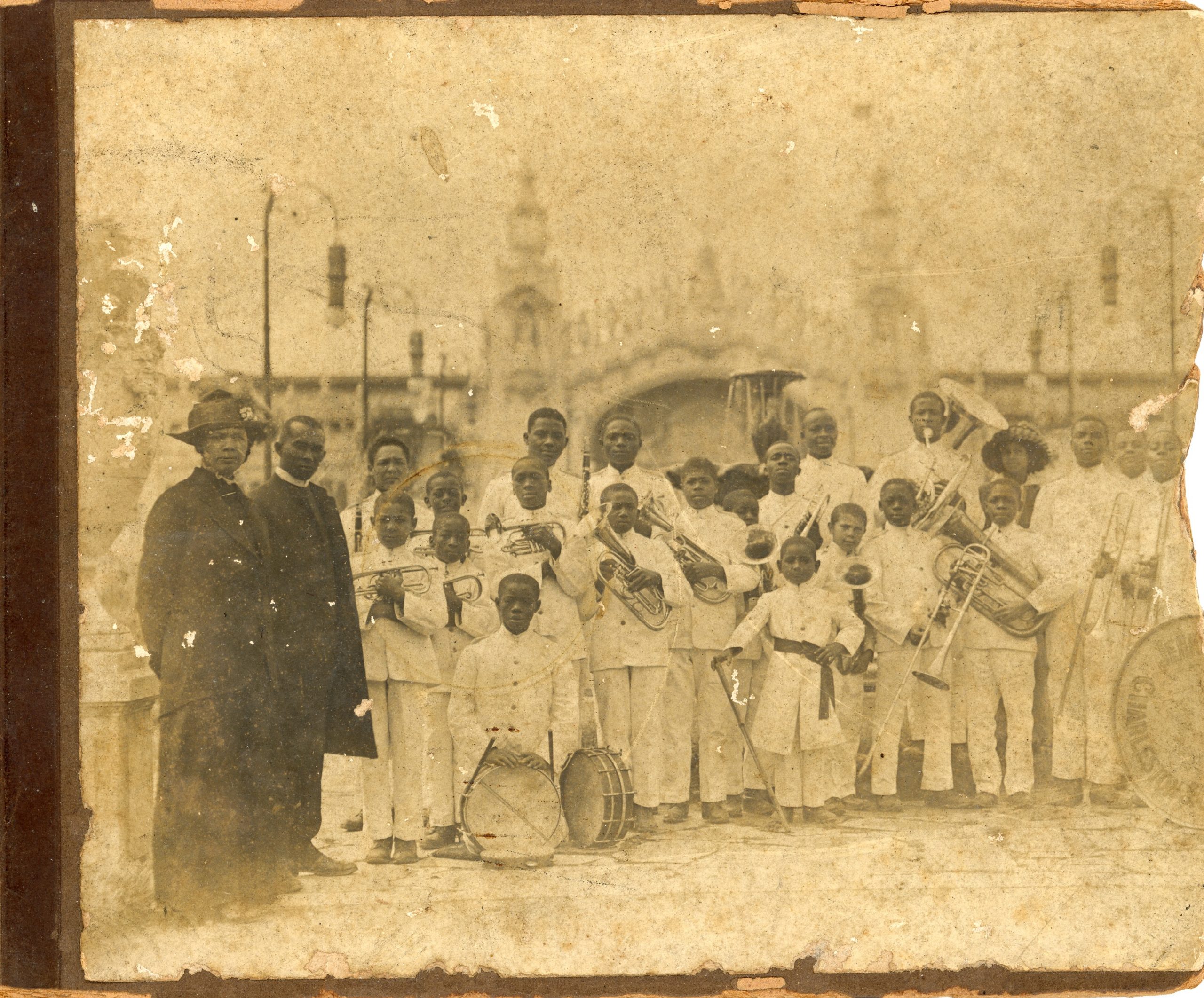
Photograph taken from the CJI Research & Administrative collection
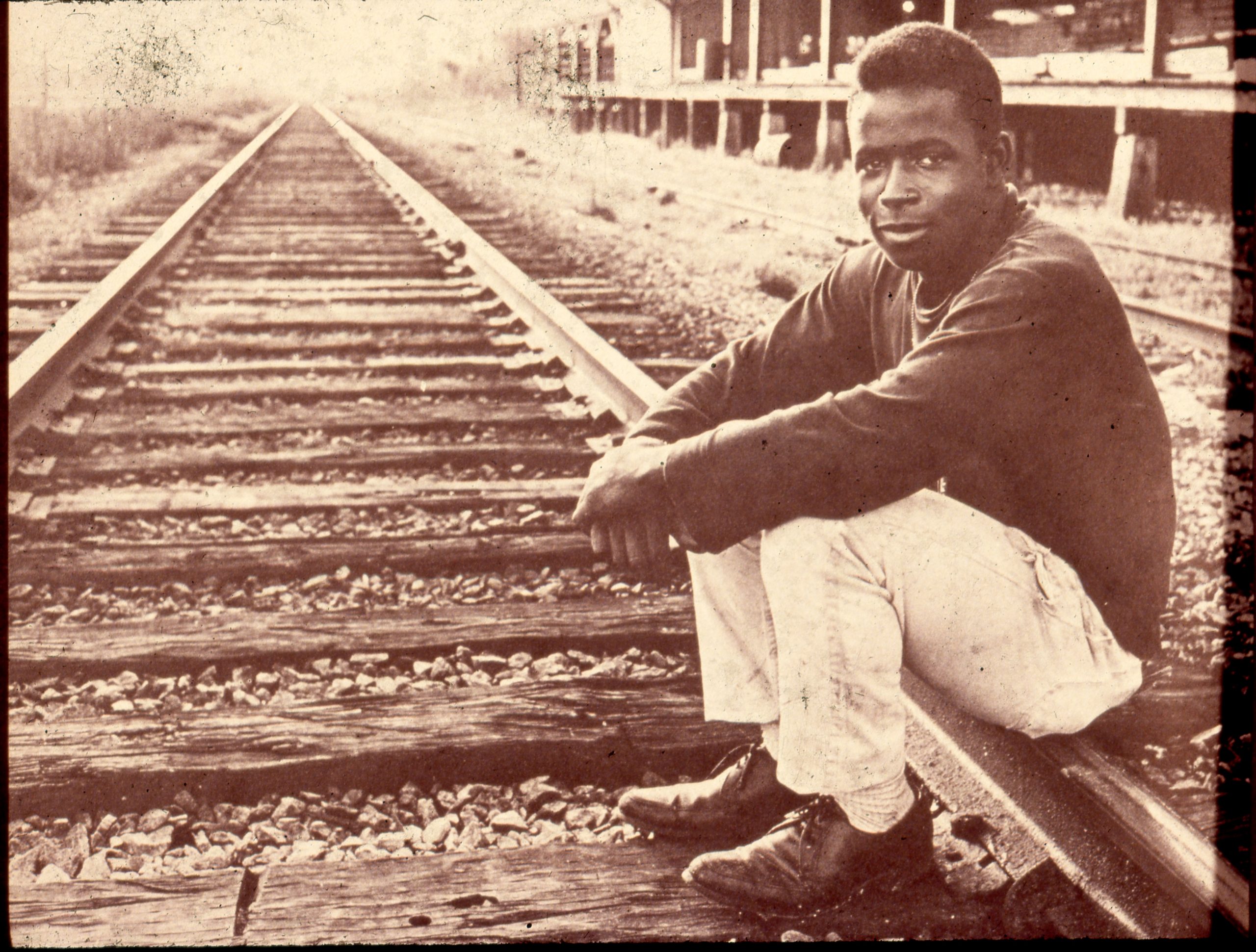
Photograph taken from the Nick Lindsay collection
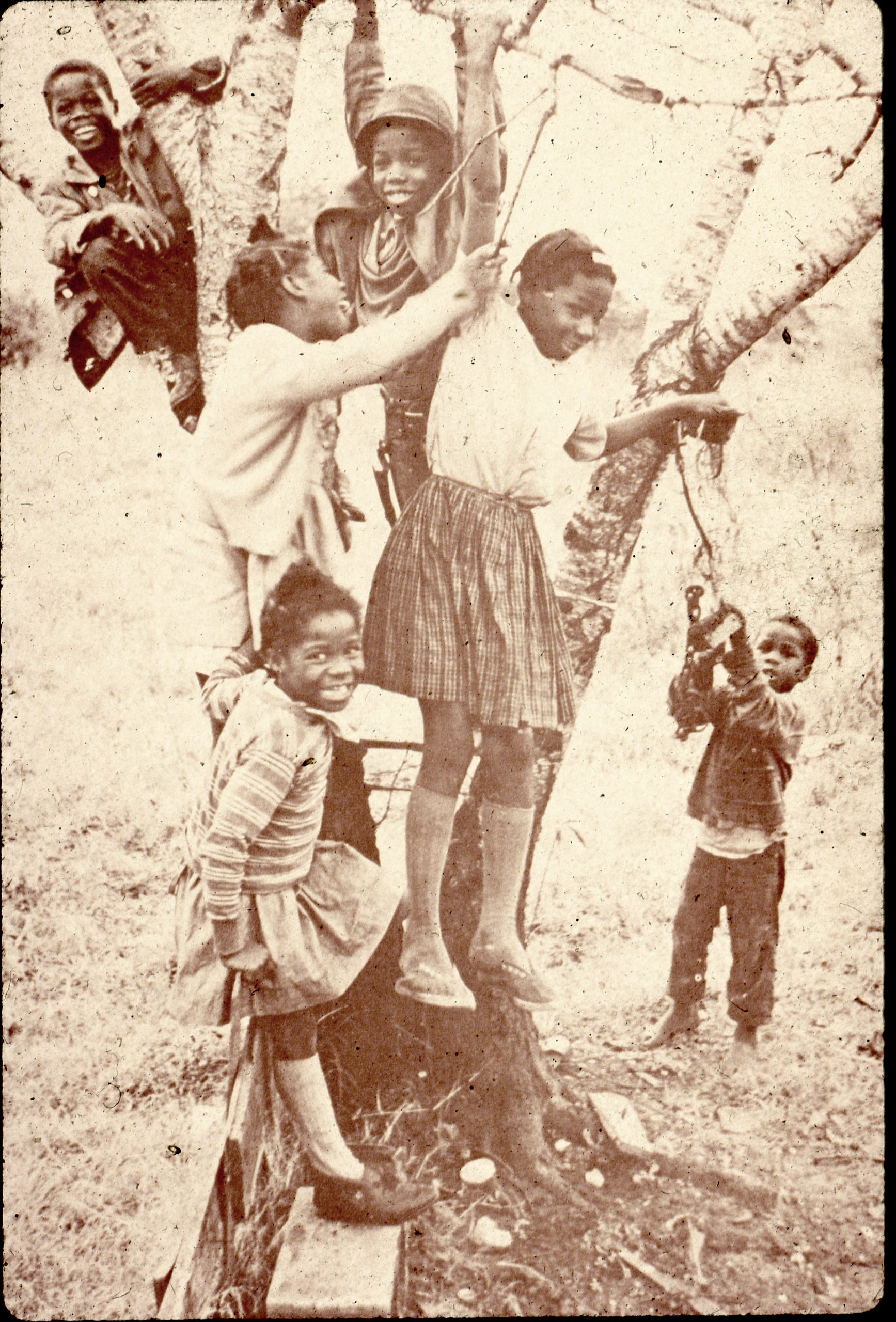
Photograph taken from the Nick Lindsay collection
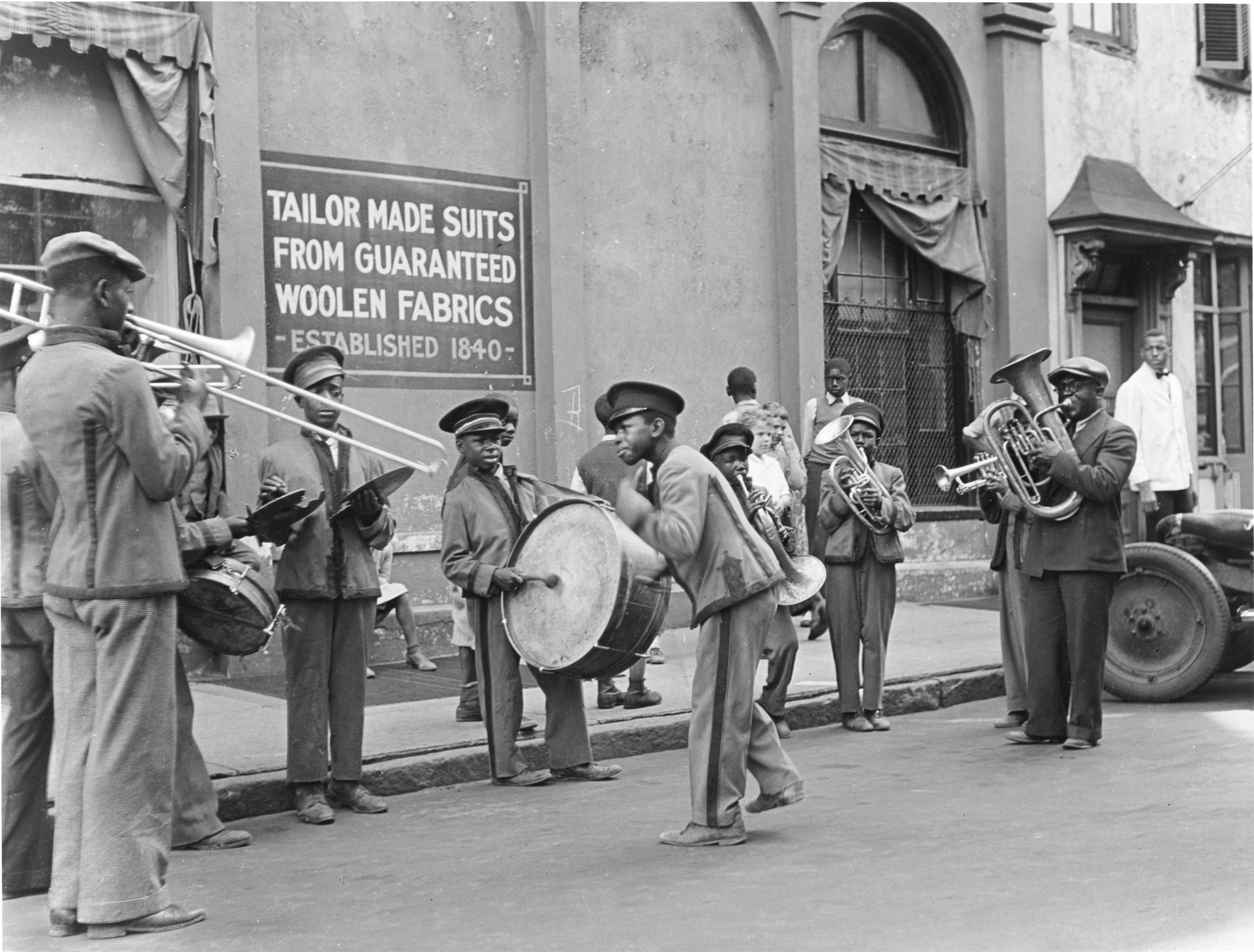
Photograph taken from the CJI Research & Administrative collection
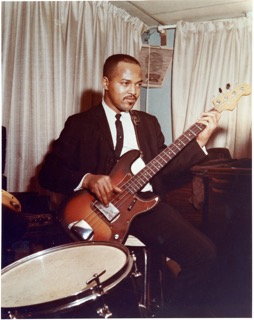
Photograph taken from the Anthony McKnight collection
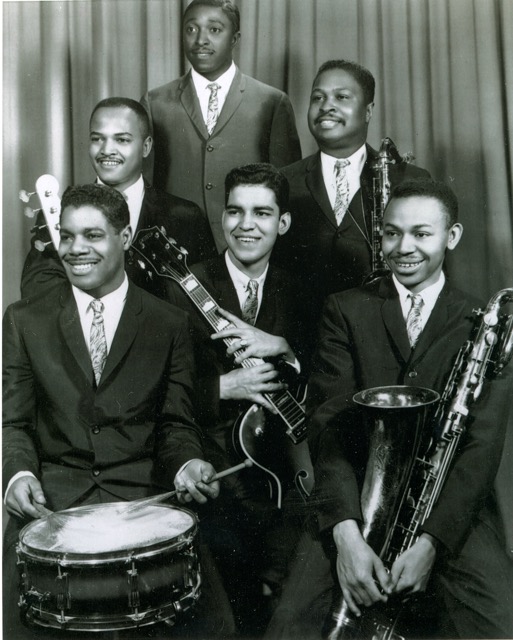
Photograph taken from the Anthony McKnight collection
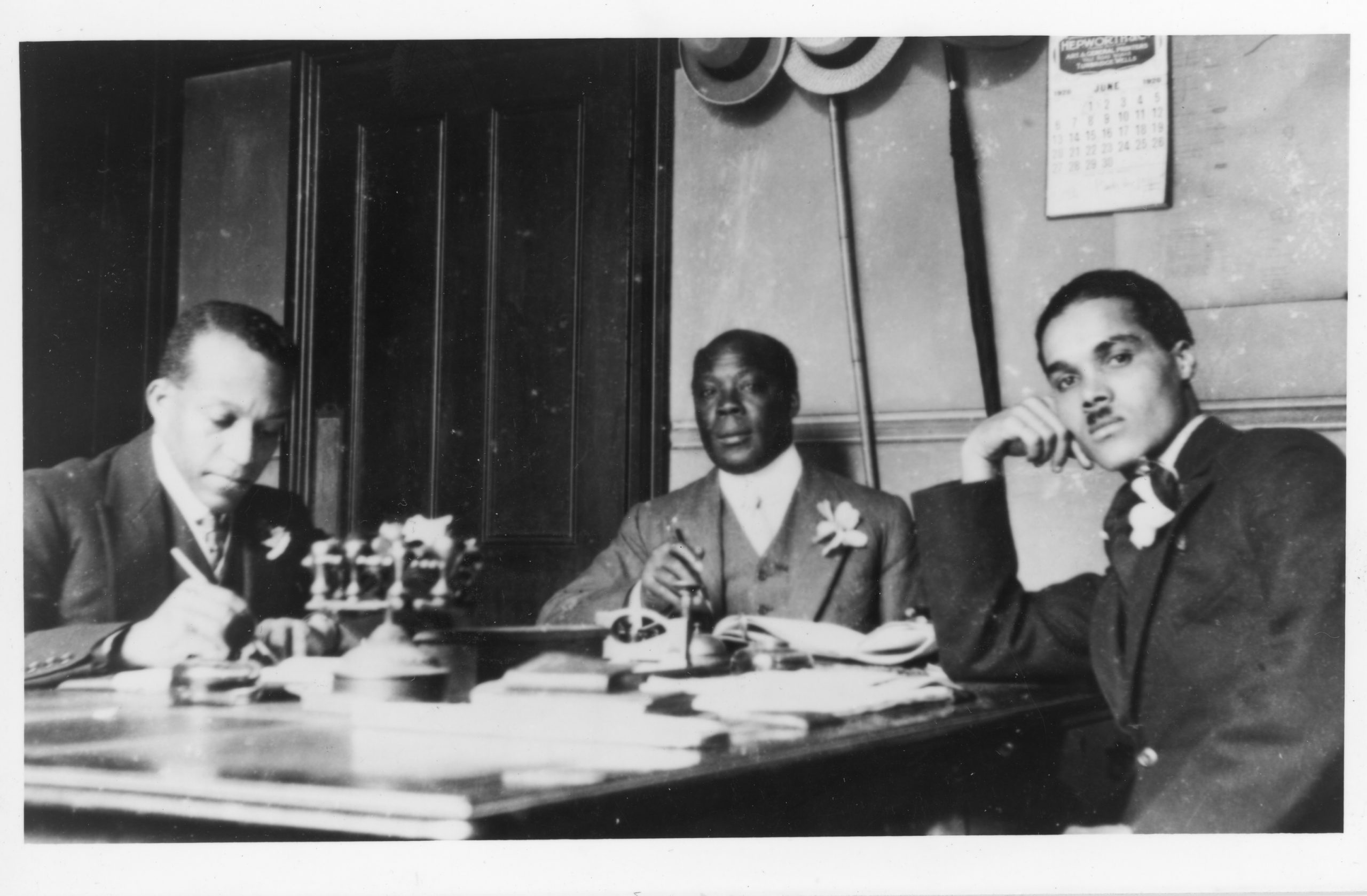
Photograph taken from the Jeffery Green collection
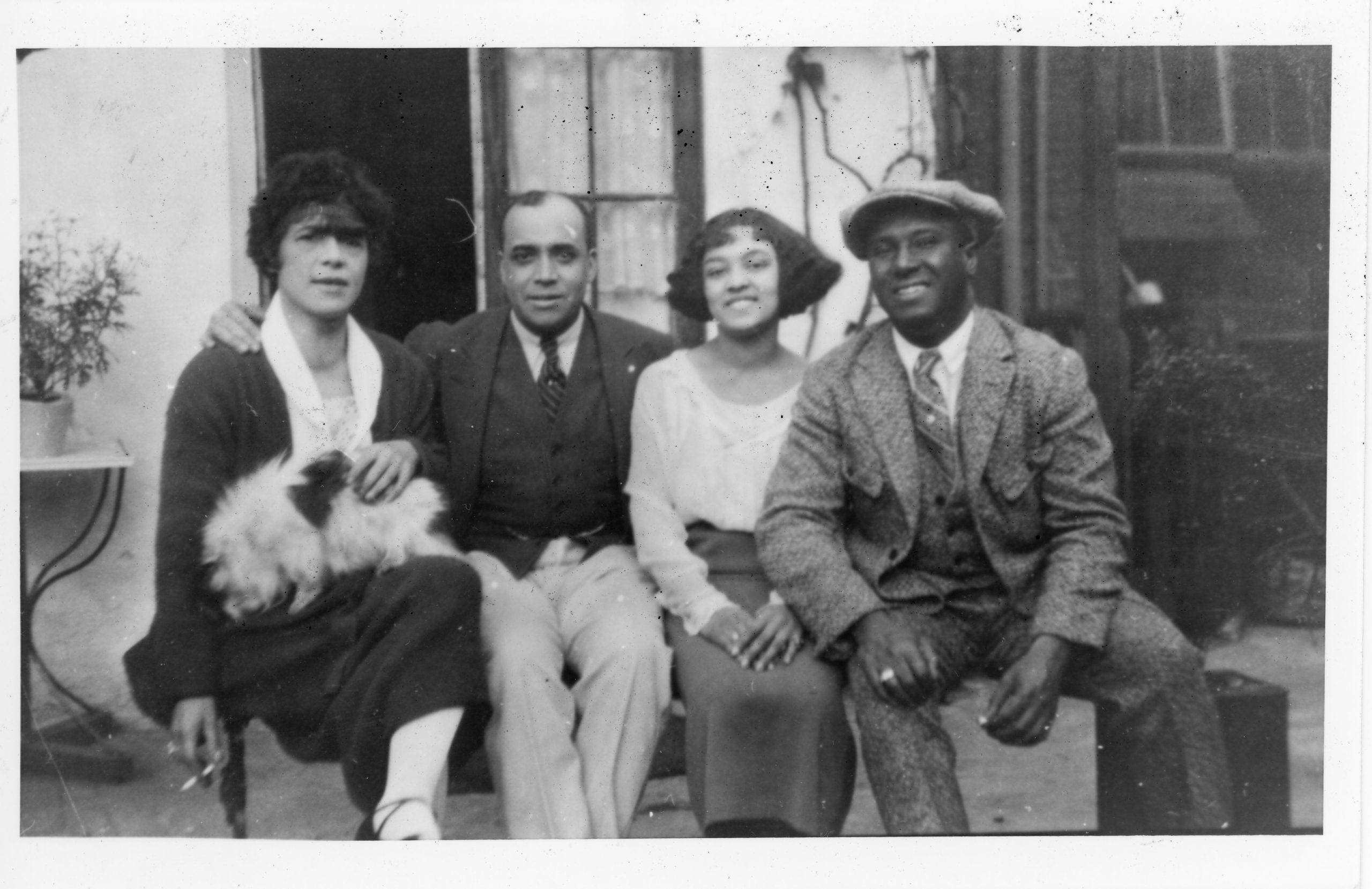
Photograph taken from the Jeffery Green collection
Image Credits:
Images courtesy of the College of Charleston Libraries, Avery Research Center for African American History and Culture.
1. Photograph of The Jenkins Orphanage Band, c. 1930’s. Included in the CJI Research & Administrative collection.
2. Photograph entitled “Boy on Train Tracks”. Included in the Nick Lindsay collection.
3. Photograph of Edisto Island Children Playing. Included in the Nick Lindsay collection.
4. Photograph of The Jenkins Orphanage Band, c. 1957. Included in the CJI Research & Administrative collection.
5. Photograph of James Jamerson playing his bass guitar. Included in the Anthony McKnight collection.
6. Photograph of James Jamerson and bandmates (unidentified group name). Included in the Anthony McKnight collection.
7. Photograph of unidentified individuals. Included in the Jeffery Green collection.
8. Photograph of unidentified individuals. Included in the Jeffery Green collection.